
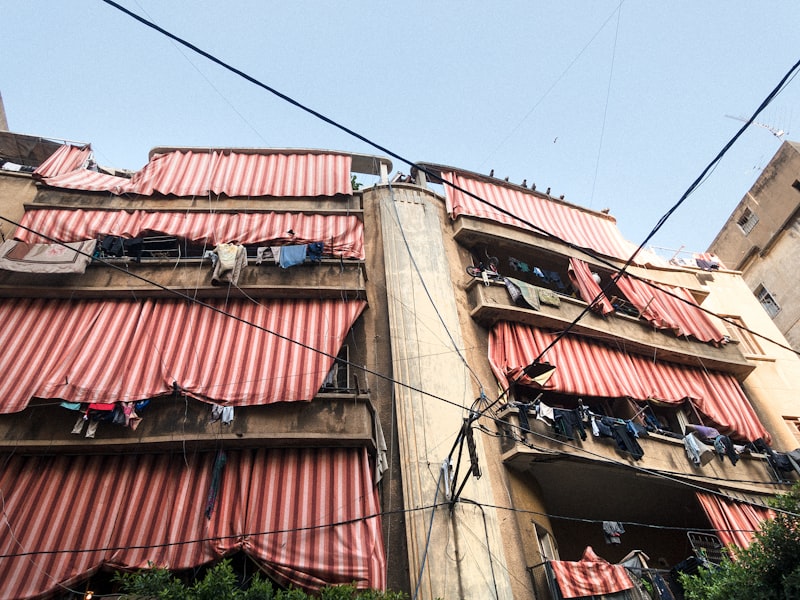
Israeli forces cut all main roads leading to the southern Lebanese town of Bint Jbeil on 12 April, according to Lebanese security sources. The Israeli military’s 98th Division has claimed near-complete control of the town, which has become the principal site of ground combat in the Lebanon war.
Why it matters: The siege of Bint Jbeil marks the deepest Israeli ground penetration into Lebanon since 2006 and shows the war is intensifying even as a fragile ceasefire holds between the US, Israel and Iran. That ceasefire explicitly excludes Lebanon.
Fighting on the ground
The IDF used air strikes, artillery and white phosphorus munitions to cut supply lines into Bint Jbeil, according to the Lebanese security source cited by multiple outlets. The 98th Division reported it had taken control of most of the town by late Saturday.
Hezbollah disputed that claim. The group issued a series of statements saying its fighters attacked Israeli military positions inside Bint Jbeil and surrounding villages. It said it also launched rockets, artillery and drones at targets in northern Israel over the weekend.
Ceasefire does not cover Lebanon
The two-week ceasefire between the US, Israel and Iran, brokered in Islamabad, does not extend to Lebanon. Israel said on 8 April that its military operations in Lebanon would continue regardless of any truce with Iran.
That distinction has drawn international criticism. Pope Leo XIV specifically called for a ceasefire covering Lebanon in his weekend address. At least 357 people were killed in Israeli strikes on Lebanon on 8 April, the deadliest single day of the conflict.
Humanitarian concerns
Aid agencies have warned that civilians remain trapped in Bint Jbeil and surrounding areas with limited access to food, water and medical care. The road closures have made evacuation routes impassable for those still inside the town.
The UN’s humanitarian coordinator for Lebanon called for immediate access to besieged areas and said the use of white phosphorus in populated zones raises serious questions under international humanitarian law.