
What happened
Israeli forces killed at least 254 people and wounded 1,165 others across Lebanon on 8 April in the largest coordinated strike since the war began. Lebanon’s Civil Defence confirmed the toll.
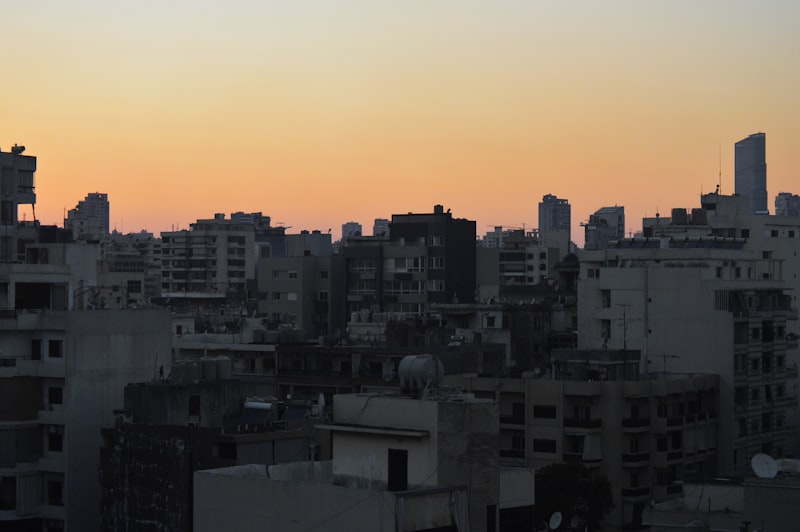
The Israeli military said fifty fighter jets struck over 100 targets within ten minutes. Approximately 160 munitions were dropped on sites in southern Beirut, the port city of Sidon, the eastern Bekaa Valley, and the southern city of Tyre. Central Beirut was hit without prior warning. The highest toll was in the capital, where 91 people were killed.
The attacks came hours after the United States and Iran announced a two-week ceasefire, brokered by Pakistan.
Why it matters
The scale of civilian death in a single day — 254 killed, more than 1,165 wounded — constitutes a mass atrocity. The strikes targeted populated areas, including central Beirut, with no advance warning to civilians. The timing, hours after a ceasefire was announced, compounded the devastation.
The ceasefire dispute
Prime Minister Benjamin Netanyahu said the ceasefire did not apply to Lebanon and that Israel would “continue to strike” Hezbollah. This directly contradicts Pakistani Prime Minister Shehbaz Sharif, who said the agreement included a total cessation of hostilities and specifically named Lebanon.
Iranian President Masoud Pezeshkian told Pakistan’s prime minister that a ceasefire in Lebanon was “an essential condition” of the 10-point framework agreed with the United States. Vice President JD Vance said Israel had offered to “restrain” strikes during negotiations.
International response
UN human rights chief Volker Turk said the scale of killing and destruction was “nothing short of horrific” and called the carnage within hours of a ceasefire agreement beyond belief. The UN Secretary-General’s office “strongly condemned” the attacks.
Iran responded by announcing it would again close the Strait of Hormuz, reversing the opening that had accompanied the ceasefire announcement. Hezbollah fired rockets at northern Israel, citing ceasefire breaches.
Accountability
Deliberate attacks on civilian areas without warning violate international humanitarian law. The strikes on central Beirut, a densely populated area, with no evacuation notice, cannot be justified by the presence of military targets. When 254 people are killed in a single day of strikes on a country that was, by multiple parties’ account, included in a ceasefire, the responsibility lies with those who ordered the strikes.