
The University of Michigan’s index of consumer sentiment fell to 47.6 in early April, down from 53.3 in March. The reading is the lowest in the survey’s 74-year history, surpassing troughs set during the Great Recession and the Covid-19 pandemic.
Why it matters
Consumer sentiment is a leading indicator of spending, which accounts for roughly 70% of US economic output. A sustained decline raises the risk that households will pull back, slowing growth at a time when the economy is already navigating tariff disruptions and war-related energy shocks.
Inflation fears accelerate
One-year inflation expectations jumped from 3.8% in March to 4.8% in April, the largest single-month increase since April 2025. The Bureau of Labor Statistics reported that the March consumer price index rose 0.9% on a monthly basis, an annualised rate of nearly 11%, with energy prices the primary driver.
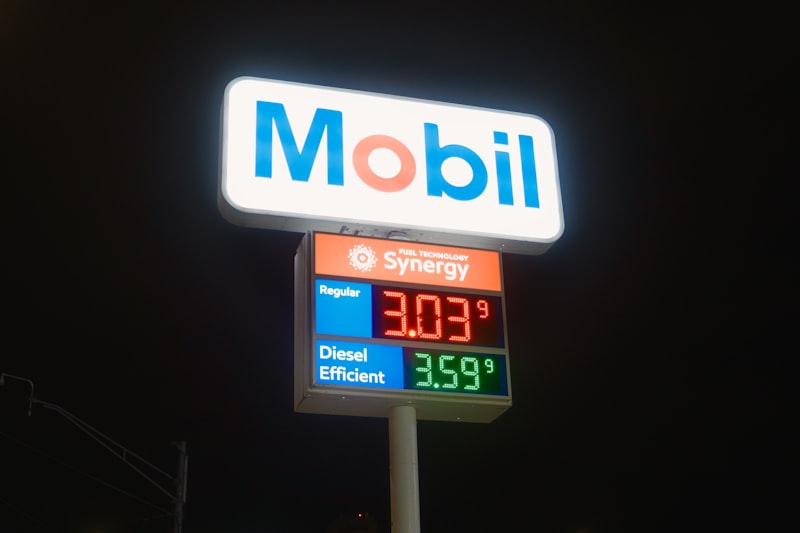
Regular gasoline reached $3.45 per gallon nationally, up from $2.98 a week earlier. Diesel price increases have been steeper, affecting shipping costs across the supply chain.
Broad-based decline
The drop cut across every demographic group in the survey. All age brackets, income levels, and political affiliations posted declines, as did every component of the index. According to the University of Michigan, both current economic conditions and future expectations deteriorated sharply.
Timing and context
Nearly all survey responses were collected before President Trump announced a temporary ceasefire with Iran. Future readings may improve if the ceasefire holds and energy prices stabilise, but economists caution that sentiment recoveries typically lag price relief by several weeks.