
What is happening
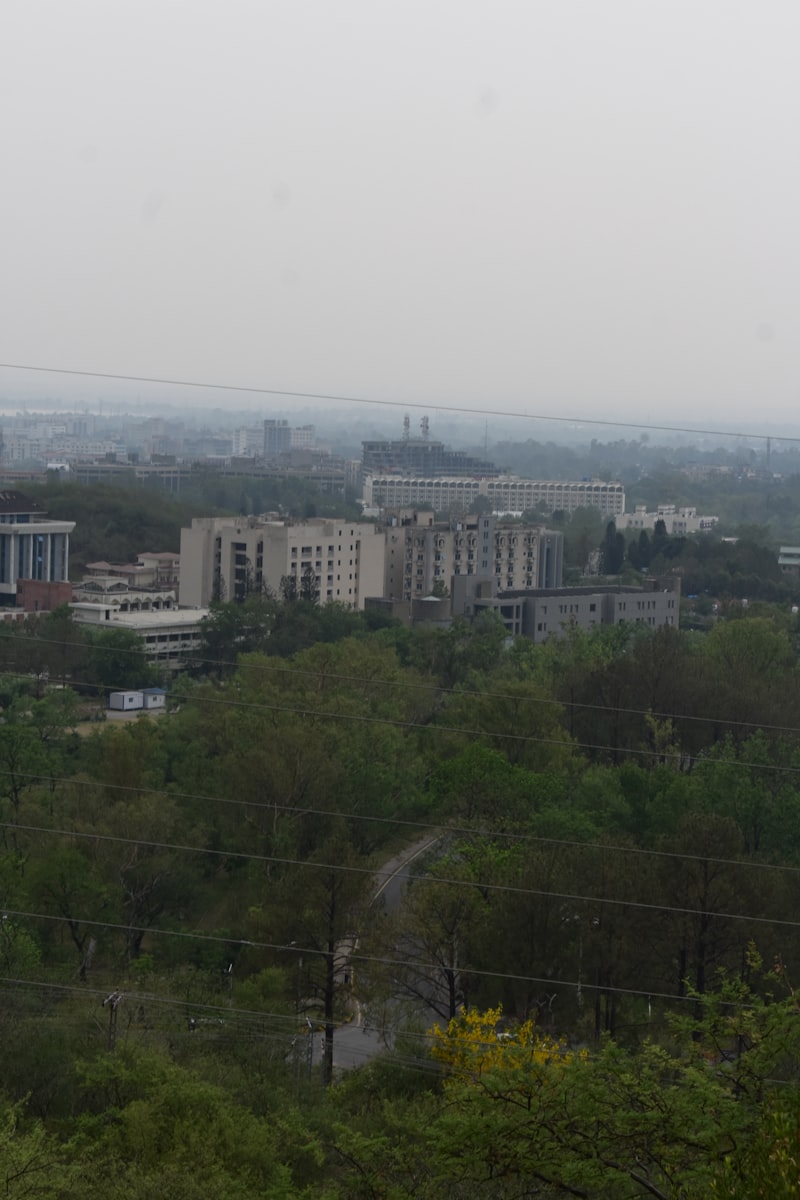
President Trump told the New York Post on Monday that negotiations with Iran could resume within two days, with Pakistan again serving as host. “Something could be happening,” Trump said, keeping Friday through Sunday open as potential dates.
The first round of talks, held in Islamabad on 11 and 12 April, ended without a breakthrough. No memorandum of understanding was issued.
Why it matters: The ceasefire between the US and Iran expires on 22 April. If no extension or framework deal is reached before then, both sides face a return to full hostilities in a conflict that has already disrupted global energy markets and drawn in regional powers.
The sticking points
According to Time magazine, the two main unresolved issues are Iran’s nuclear programme and the status of the Strait of Hormuz. The US began a naval blockade of the strait on 13 April, a move that sent oil prices above $103 per barrel.
Iran has said it is willing to continue talks but will not negotiate “under the barrel of a gun,” according to Iranian state media. Vice President JD Vance responded that “the ball is in Iran’s court” to move talks forward.
The pressure on both sides
The blockade gives the US leverage but also imposes costs. Roughly 20% of the world’s oil supply transits the Strait of Hormuz, and allied nations including the United Kingdom and Australia have publicly opposed the blockade as a negotiating tactic.
For Iran, the economic pressure is severe. Inside the country, according to ITV News, ordinary Iranians are “desperate for peace” as the ceasefire holds by a thread. The government faces a choice between accepting terms it has publicly rejected and risking a resumption of strikes that caused significant damage in March.
What happens next
Negotiating teams from both sides are keeping the weekend open for a possible return to Islamabad. The immediate priority is extending the ceasefire beyond 22 April to allow more time for substantive talks.
If talks do resume, the format is expected to shift to technical-level working groups before another political round. Pakistan’s role as neutral host has been praised by both sides, and Prime Minister Sharif has offered to expand logistical support for a longer negotiation.