
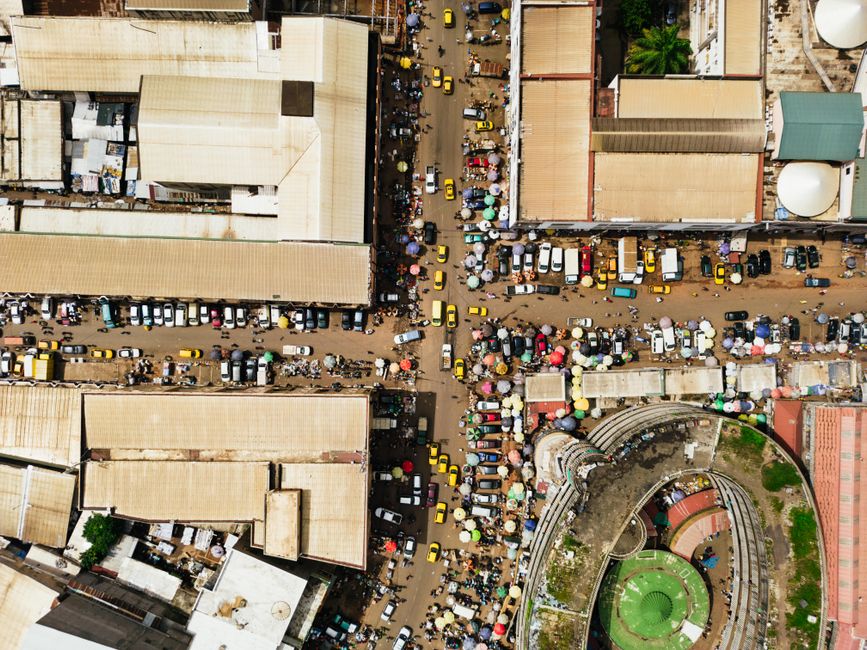
Pope Leo XIV landed in Yaoundé on Wednesday afternoon, beginning a four-day visit to Cameroon that carries both spiritual and political significance. It is the second stop on a 10-day tour that will also take him to Angola and Equatorial Guinea.
Why it matters: Cameroon’s Anglophone crisis, a near-decade-long conflict between government forces and separatists in the country’s western regions, has killed thousands and displaced hundreds of thousands. The Pope’s visit prompted a rare three-day ceasefire from armed groups that have shown little willingness to negotiate.
The ceasefire
Anglophone separatist factions announced they would pause military operations for three days during the papal visit. The groups are fighting for independence for Cameroon’s English-speaking Northwest and Southwest regions, which they call Ambazonia.
The conflict began as protests by lawyers and teachers in 2016 over the marginalisation of English speakers in the French-dominated government. It escalated into an armed insurgency that has displaced more than 700,000 people.
The ceasefire is fragile. Previous pauses have collapsed within hours. But the Pope’s planned visit to Bamenda, a city at the centre of the Anglophone crisis, is being watched as a potential opening for dialogue.
Meeting Biya
Pope Leo is expected to meet President Paul Biya, 93, who has ruled Cameroon since 1982. Biya is Africa’s longest-serving head of state and has resisted international pressure to negotiate with Anglophone groups.
Some Cameroonian Catholics are uneasy about the meeting, fearing it could be read as an endorsement of a government accused of human rights abuses. Vatican officials said the Pope would raise the Anglophone crisis in private.
What comes next
A mass in the coastal city of Douala on Friday is expected to draw 600,000 people, the largest gathering of the Africa tour. The Pope will then travel to Angola on Saturday.