
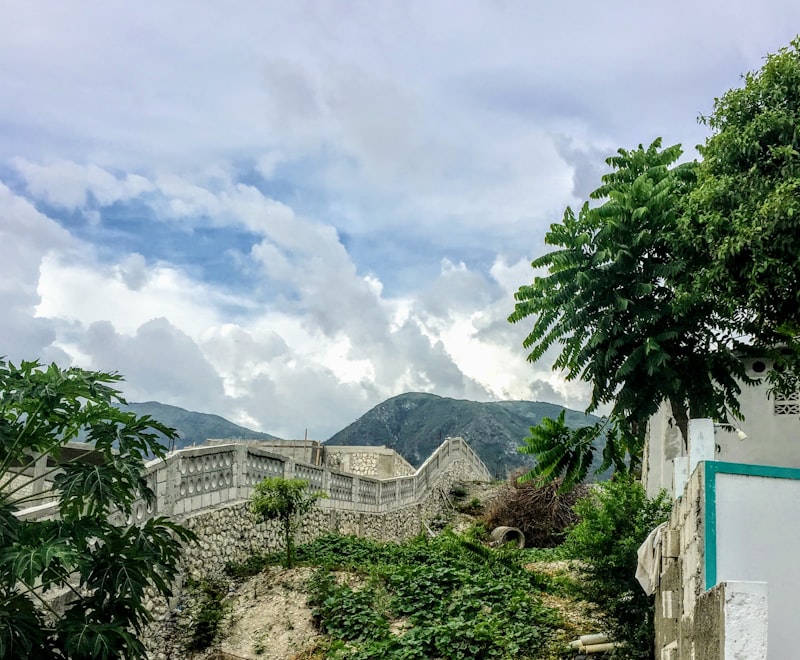
At least 30 people died and dozens were injured after a stampede at the Citadelle Laferrière, a mountaintop fortress in northern Haiti, on Saturday.
Why it matters: The disaster exposed critical failures in crowd management at one of Haiti’s most important cultural sites, a country already struggling with security and governance crises. Most of the victims were students on a school outing.
What happened
The Citadelle Laferrière, a UNESCO World Heritage Site near Milot, was hosting a cultural celebration and school excursion when the crowd surged. The fortress sits atop a 900-metre peak, accessible only by narrow, steep paths.
Witnesses described severe overcrowding near the entrance. When rain began falling, people rushed to leave, triggering a stampede. Several victims fell and were crushed on the steep paths leading down from the fortress.
Civil protection authorities initially reported 25 deaths but later revised the toll upward to at least 30.
Government response
Prime Minister Alix Didier Fils-Aimé declared three days of national mourning and said the government would cover funeral costs for all victims. The regional health directorate treated dozens of injured at hospitals in Cap-Haïtien and Milot.
Haitian police arrested five police officers and two other suspects in connection with the stampede, according to ABC News. Authorities said the arrests related to deficiencies in crowd management and security planning at the event.
The Citadelle
Built between 1805 and 1820 by Henri Christophe, the Citadelle Laferrière is the largest fortress in the Americas and a symbol of Haitian independence. It was designated a UNESCO World Heritage Site in 1982 and draws thousands of visitors each year.
CARICOM, the Caribbean regional bloc, expressed condolences and offered support to the Haitian government.