
What happened
British Prime Minister Keir Starmer confirmed on Monday that the United Kingdom will not participate in the US-led naval blockade of the Strait of Hormuz. The blockade, announced by President Trump on Sunday, is set to take effect at 14:00 GMT on Monday and targets all maritime traffic entering and leaving Iranian ports.
“We are not getting dragged in,” Starmer told BBC Radio. He said no British warships or soldiers would be deployed to enforce the American operation.
Why it matters
The UK’s refusal is the most significant break between Washington and London since the conflict with Iran began six weeks ago. Britain is the United States’ closest military ally and a major naval power in the Gulf. Its absence from the blockade undermines Washington’s claim that the operation has broad international support.
Diplomatic alternative
Rather than joining the blockade, Starmer is pursuing a diplomatic path. He held discussions with French President Emmanuel Macron over the weekend, and a UK government spokesperson confirmed the two countries are working to build a coalition focused on protecting freedom of navigation in the strait.
The approach centres on dialogue and coalition-building rather than military confrontation. France has also confirmed it will not deploy vessels to support the US operation.
Existing UK presence
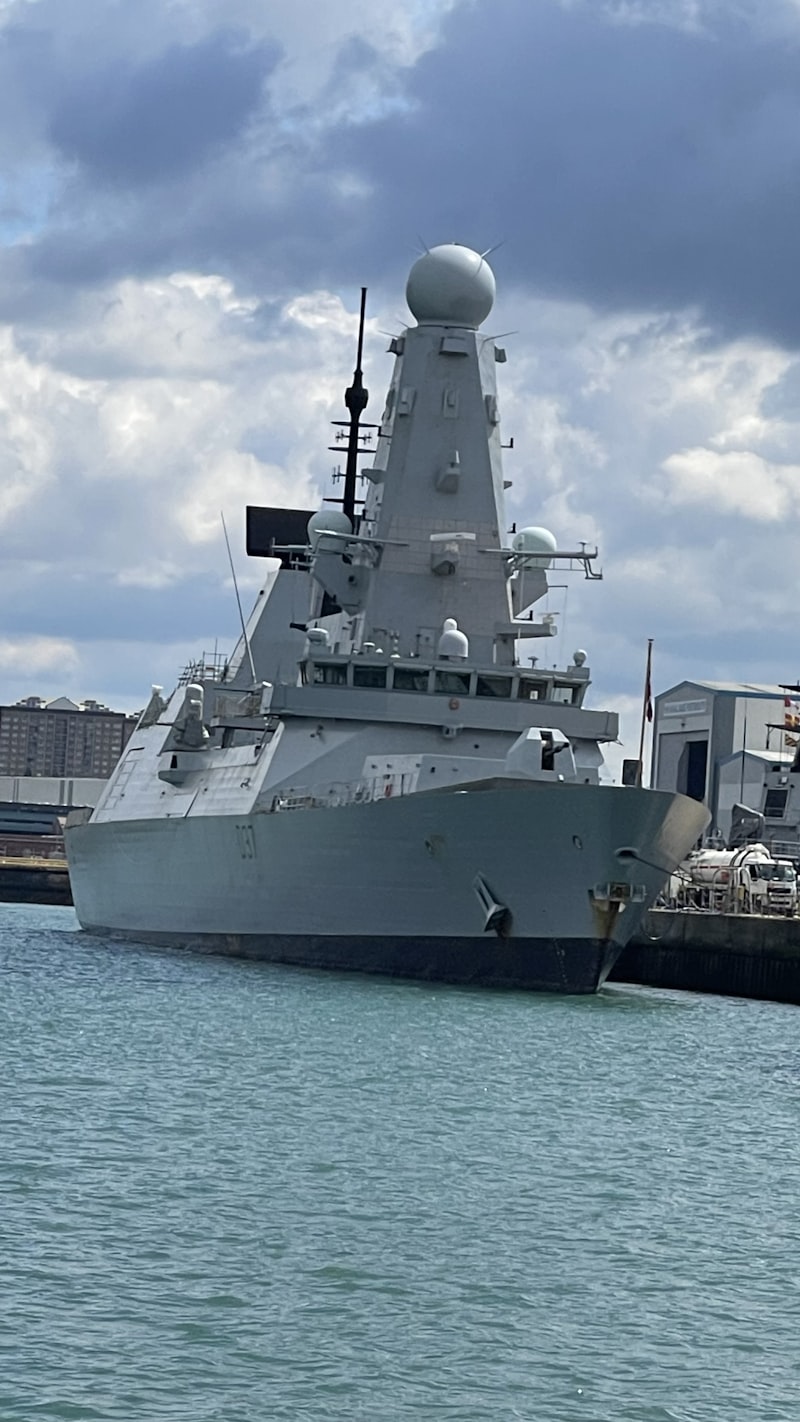
The UK’s existing military assets in the Gulf region will remain in place. Royal Navy minesweepers and anti-drone capabilities will continue their routine operations, which predate the current conflict. These forces are tasked with protecting commercial shipping rather than enforcing any blockade.
What happens next
The US blockade takes effect on Monday afternoon. With the UK and France declining to participate, it will be enforced primarily by American naval forces. The diplomatic coalition Starmer and Macron are building has not yet taken formal shape, and no timeline for further talks has been announced.