
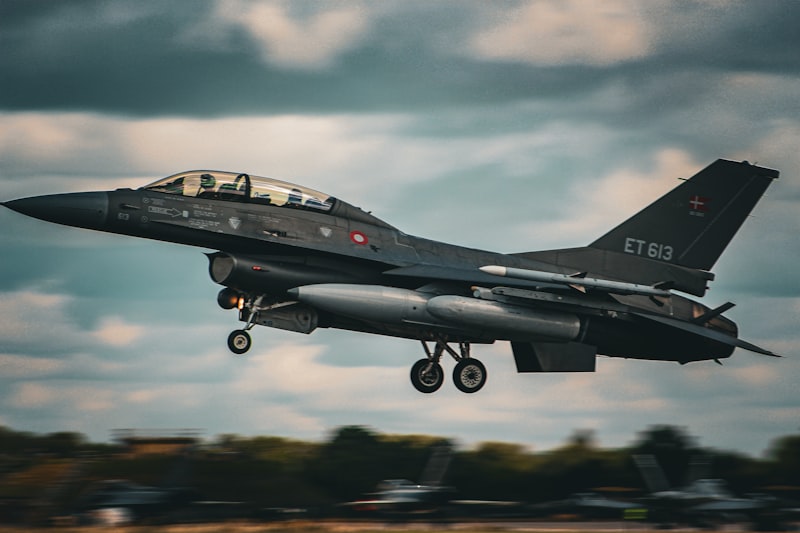
Pakistan has deployed at least ten F-16 fighter jets and approximately 13,000 ground troops to King Abdulaziz Air Base in Saudi Arabia’s eastern province. The Pakistan Air Force confirmed the deployment on Friday.
The move marks the first formal activation of the Saudi-Pakistan Mutual Defence Agreement, signed on 17 September 2025. The pact commits both countries to treat an attack on either nation as an attack on both.
Why it matters
Saudi Arabia’s eastern province hosts the bulk of the kingdom’s oil production and refining capacity. Iranian drone and missile strikes have already hit the Jubail petrochemicals complex, killing a Saudi national and raising fears of further attacks on energy infrastructure. Pakistan’s air defence deployment signals that the Iran conflict is drawing in regional powers beyond the United States.
What triggered the deployment
The deployment came after US-Iran peace talks collapsed in Islamabad on 11 April without a deal. Hours later, Pakistan began moving military assets to Saudi Arabia. According to Al Jazeera, Pakistani officials said the decision was driven by the strike on Jubail and the growing risk of Iranian missile attacks targeting Gulf energy facilities.
Pakistan borders Iran to its west, placing it in a delicate diplomatic position. Islamabad had hosted the failed US-Iran negotiations and has sought to maintain ties with Tehran while honouring its defence commitments to Riyadh.
Regional implications
The deployment adds Pakistan to a growing list of nations with military assets in the Gulf conflict zone. The United States has ordered a naval blockade of the Strait of Hormuz, and China is reportedly preparing weapons shipments to Iran.
Analysts say Pakistan’s entry raises the stakes for any miscalculation. A Pakistani military presence in Saudi Arabia could complicate any future diplomatic effort to de-escalate the broader conflict.