
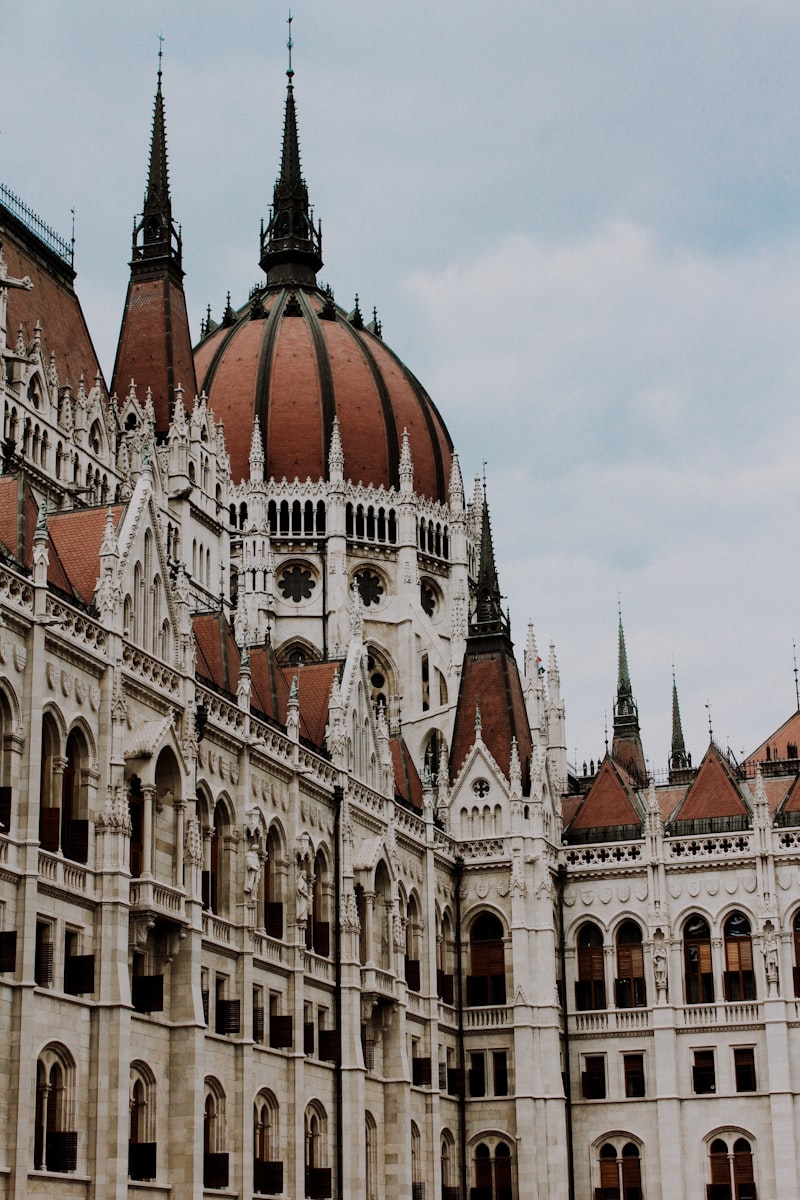
Hungarian Prime Minister Viktor Orbán conceded defeat on Sunday night after Peter Magyar’s centre-right Tisza party won a decisive majority in parliamentary elections, ending 16 years of Fidesz rule.
Why it matters: Orbán had been the European Union’s most prominent nationalist leader, a close ally of Donald Trump and Vladimir Putin, and a persistent obstacle to EU unity on sanctions against Russia. His defeat reshapes European politics and could unlock billions in frozen EU funding.
The result
With 97% of precincts counted, Tisza secured 138 seats in the 199-seat parliament on 53.6% of the vote. Orbán’s Fidesz won just 55 seats with 37.8%. Turnout exceeded 79%, the highest in Hungary’s post-communist democratic history.
Orbán called Magyar to concede and described the result as “painful.” He did not announce plans to resign from the Fidesz party leadership.
Magyar’s victory speech
Magyar addressed tens of thousands of supporters gathered along the Danube in Budapest. “Tonight, truth prevailed over lies,” he told the crowd. He pledged to restore judicial independence and rebuild ties with the European Union.
European reaction
European Commission President Ursula von der Leyen congratulated Magyar within hours. Brussels had suspended billions of euros in EU cohesion funds over what it described as Orbán’s erosion of democratic standards, judicial independence, and press freedom.
The defeat could clear the path for that funding to flow, provided Magyar’s government meets the benchmarks set by the commission.
What changes
Orbán had positioned Hungary as a disruptive force within the EU, blocking unanimous decisions on Russia sanctions and migration policy. Magyar has signalled a more cooperative stance with Brussels while maintaining centre-right economic policies. His party’s supermajority gives him the two-thirds control needed to amend the constitution.