
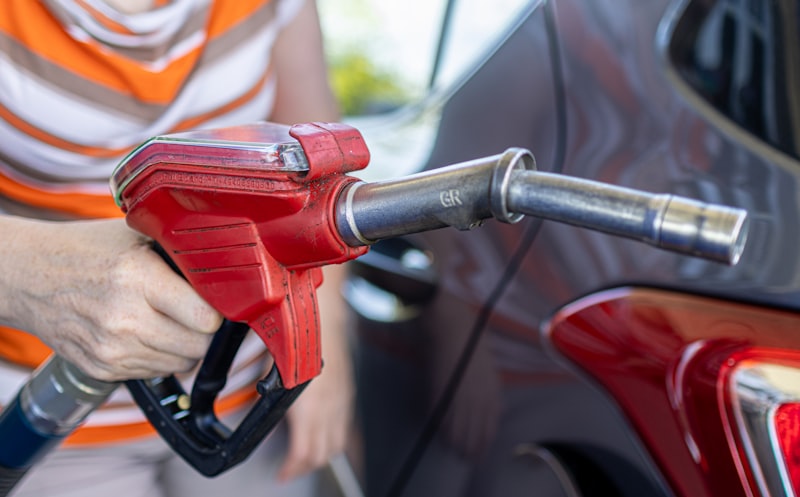
Australia’s national emergency fuel reserves have fallen to approximately 39 days of petrol, 29 days of diesel and 30 days of jet fuel. All three figures sit well below the International Energy Agency’s recommended 90 days of import cover.
Why it matters: Australia imports about 90% of its petrol, diesel and jet fuel, primarily from Asian refineries in Singapore, South Korea and Malaysia that depend on Middle Eastern crude. The Hormuz crisis has exposed a structural vulnerability that decades of policy inaction failed to address.
How it happened
The crisis intensified in March when fighting near the Strait of Hormuz choked off roughly one fifth of global seaborne oil trade. Tanker traffic through the strait plunged as Iran and coalition forces exchanged fire, cutting supply to the Asian refineries that Australia relies on.
Petrol prices have surged across the country. In some regional areas, prices have exceeded A$3 per litre. Long queues at service stations have become common in parts of Queensland and Western Australia.
Government response
Prime Minister Anthony Albanese’s government has responded with emergency measures. These include halving the fuel excise tax, releasing strategic petroleum reserves and underwriting expensive spot-market shipments from alternative suppliers.
Canberra has also struck bilateral deals with Singapore and Malaysia to secure dedicated fuel shipments. Energy Minister Chris Bowen said more than 50 fuel-laden tankers are en route to Australian ports, with arrivals expected to improve supply through May.
Long road to recovery
Even with tankers heading to port and a fragile ceasefire in place, analysts warn that full restoration of pre-crisis fuel prices could take months. Refining margins remain elevated and global supply chains are still adjusting to the disruption.
Albanese announced he will visit Brunei and Malaysia in coming days to further secure fuel supply agreements. The opposition has called for a formal inquiry into why Australia’s reserves were allowed to fall so far below international standards.