
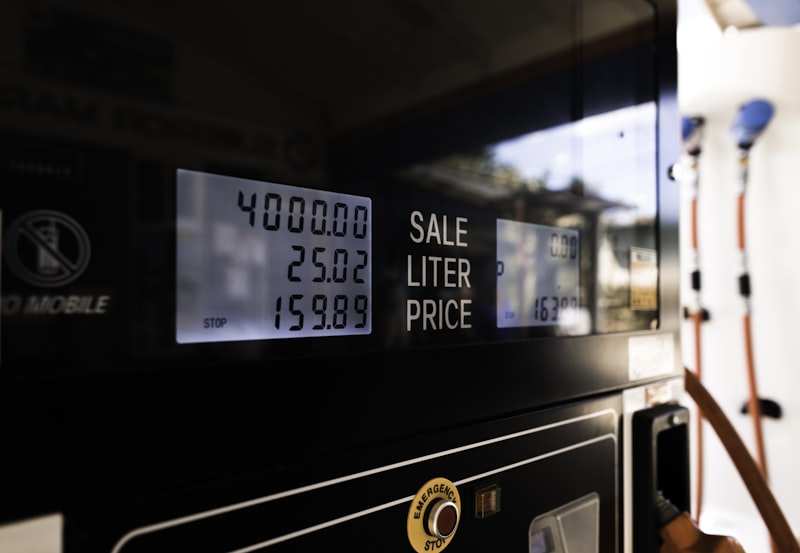
US consumer prices rose 3.3% in the 12 months to March, the highest reading in nearly two years, as the Iran war sent energy costs soaring. Gasoline prices jumped 21.2% in a single month, the largest increase since 1967.
Why it matters: the split between surging energy costs and tame core inflation creates a dilemma for the Federal Reserve, which must decide whether to hold rates, cut, or even consider a hike.
The energy shock
Energy prices rose 10.9% in March. Gasoline accounted for nearly three quarters of the overall monthly increase in consumer prices, with the national average reaching $4.15 per gallon. Prices at the pump have risen nearly 40% since the Iran conflict began on 28 February.
Airline fares climbed 14.9% year on year as jet fuel costs passed through to consumers. Shipping and delivery surcharges are expected to push prices higher in April.
Core inflation stays calm
Stripping out food and energy, core inflation rose just 0.2% monthly and 2.6% annually, below the 0.3% consensus. Food prices were unchanged for the month and up 2.7% on the year. Egg prices fell 3.4% in March and are down 44.7% over the past year.
The gap between headline and core inflation is the widest since 2022, reflecting a price shock driven by geopolitics rather than broad domestic demand.
What the Fed does next
The Federal Reserve holds rates at 3.5%-3.75% and had pencilled in one rate cut for 2026. The energy-driven spike complicates that plan. Some Fed officials have signalled they may be open to raising rates if inflation remains above target. The next meeting is 28-29 April.