
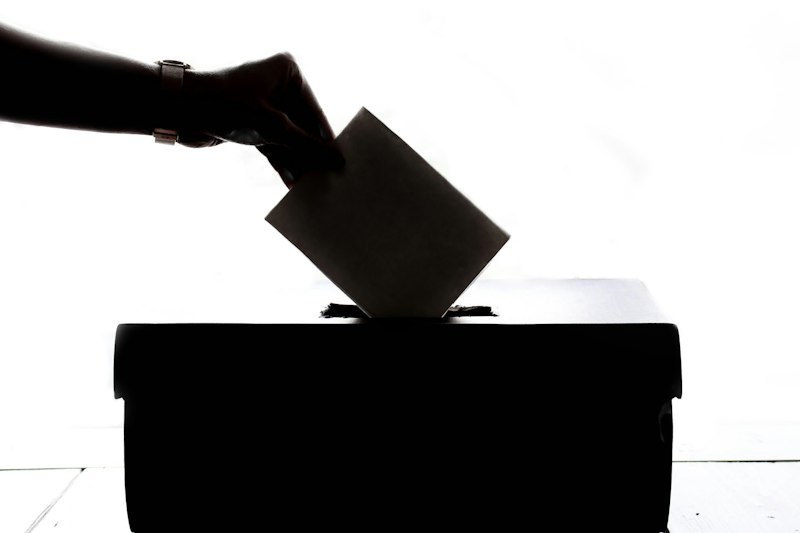
Peru goes to the polls on Sunday in a general election that features a record-breaking 35 presidential candidates. It will be the country’s ninth change of president in less than a decade — a period marked by impeachments, resignations and a brief congressional coup.
Why it matters
Peru has the worst political instability in South America. The next president inherits a country where public trust in government has collapsed, violent crime is surging and corruption scandals have touched nearly every major party. Whether the winner can serve a full term is an open question.
The front-runners
Keiko Fujimori of the conservative Fuerza Popular leads polls at roughly 18.5 per cent of valid votes. This is her fourth presidential campaign — she has reached the runoff in each of her previous three attempts without ever winning.
Rafael López Aliaga of the right-wing Renovación Popular sits second at about 13 per cent. Carlos Álvarez, a well-known comedian and political satirist, has emerged as an unexpectedly competitive third-place candidate.
No candidate is expected to clear the 50 per cent threshold required to win outright. The top two will advance to a runoff on 7 June.
What voters want
Surveys show insecurity and corruption dominate voter concerns. Extortion and organised crime have risen sharply in Lima and northern Peru. Economic growth has slowed. Trust in Congress sits in single digits.
A new legislature
Sunday’s ballot also restores Peru’s bicameral legislature for the first time in decades. Voters will elect a new 60-seat Senate alongside the existing 130-seat Chamber of Deputies. The change was approved by referendum and is intended to improve legislative oversight.
What happens next
Results are expected late Sunday. If, as projected, no candidate wins outright, the campaign shifts immediately to a two-person runoff with six weeks of intense campaigning.