
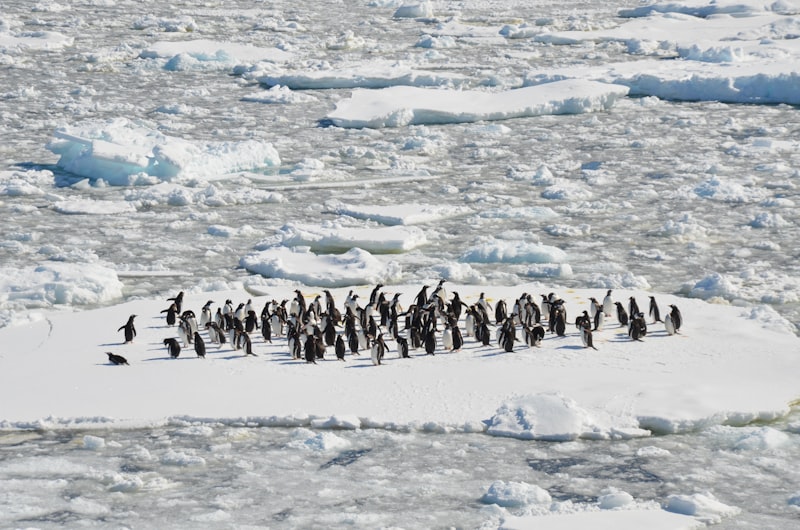
The emperor penguin has been declared an endangered species. The International Union for Conservation of Nature announced on Wednesday that it has moved the species from near threatened to endangered on its Red List.
Why it matters: the emperor penguin is an indicator species for Antarctic ecosystem health. Its decline signals that the effects of climate change on polar habitats are accelerating faster than previous models predicted.
Why the upgrade
Emperor penguins depend on stable sea ice to breed, moult, and hunt for food. The early break-up and loss of these frozen platforms has caused breeding failures across multiple colonies in recent years.
Satellite imagery shows the population declined by more than 10% between 2009 and 2018, a loss of over 20,000 adult penguins. Scientists project the species could lose half its remaining population by the 2080s if current warming trends continue.
Not just penguins
The Antarctic fur seal was upgraded to endangered in the same IUCN assessment. Its population has dropped by 50% since 2000. The southern elephant seal is also now considered at risk of extinction due to disease.
The three species together indicate a broader collapse in the Antarctic food web, driven by warming ocean temperatures and declining krill populations.
What the listing means
An endangered classification triggers conservation obligations under international agreements. It strengthens the case for expanded marine protected areas around Antarctica, a proposal that has been blocked at the Commission for the Conservation of Antarctic Marine Living Resources for several years.
The IUCN listing carries no legal enforcement power on its own but influences policy decisions by governments and international bodies.