
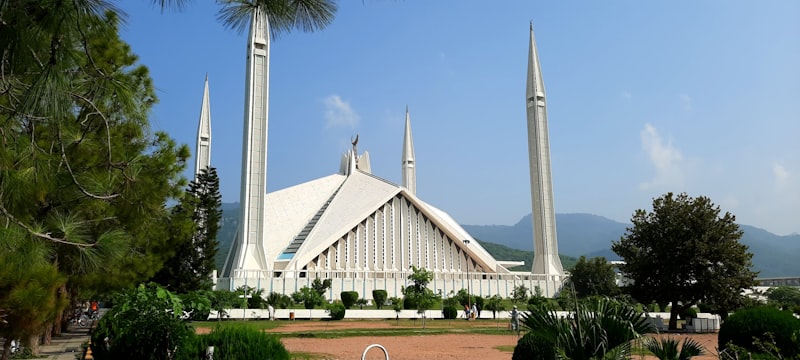
Pakistan brokered the two-week ceasefire between the United States and Iran announced on Tuesday, positioning Islamabad as the central diplomatic player in the conflict’s first major de-escalation.
Why it matters: Pakistan’s success as mediator could reshape its role in regional diplomacy and offers a pathway to negotiations that neither the UN nor European powers achieved during 39 days of conflict.
How it happened
Prime Minister Shehbaz Sharif and Field Marshal Asim Munir, Pakistan’s military chief, conducted intensive back-channel talks with both Washington and Tehran in the days before the ceasefire. Pakistan shares a border with Iran and maintains a military relationship with the United States, giving it unique access to both parties.
Sharif announced the ceasefire from Islamabad, saying it takes effect immediately and includes “Lebanon and elsewhere.”
Friday talks
Sharif has invited US and Iranian delegations to Islamabad on Friday, 10 April, to “settle all disputes” through continued negotiations. The format and agenda of the talks have not been disclosed.
The choice of Islamabad as a venue signals Pakistan’s intent to maintain its mediating role rather than hand off to multilateral institutions.
International reaction
Indonesia welcomed the ceasefire and called on all parties to respect sovereignty, territorial integrity, and diplomacy. The Islamic Resistance in Iraq, an umbrella group of Iran-backed armed factions, announced it would suspend operations across the region for two weeks.
Unresolved tensions
Israel’s Prime Minister Netanyahu said he supports the two-week suspension of strikes but disputes that the ceasefire covers Lebanon. This contradicts Sharif’s statement and raises questions about how the Friday talks will address the broader regional dimensions of the conflict.