
What happened
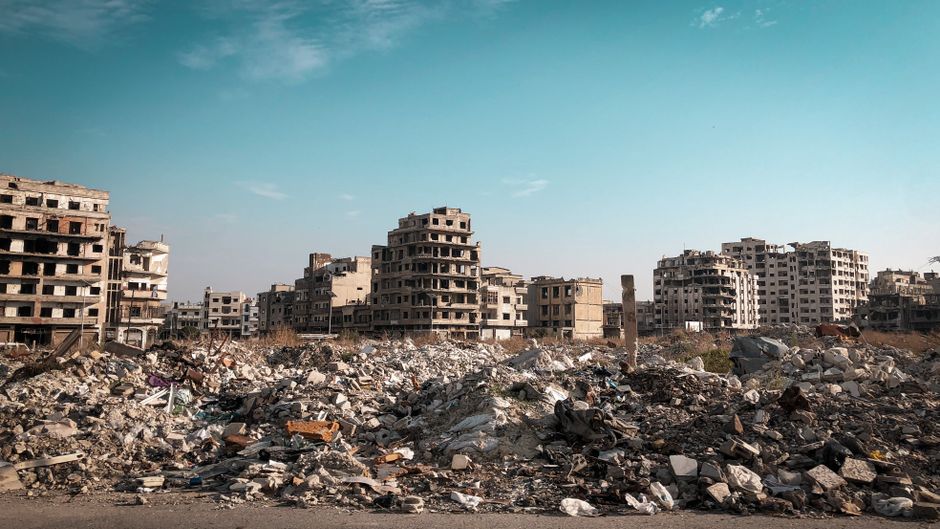
Israeli strikes across Lebanon killed at least 14 people on Easter Saturday, according to Al Jazeera, as the ground invasion of southern Lebanon entered its second month. Churches in the south were unable to hold Easter services. The Lebanese Army withdrew tanks from areas where Israeli forces advanced, leaving civilians without protection.
Since launching operations against Hezbollah on 2 March, Israeli forces have killed more than 1,400 people, including at least 126 children, according to Lebanese government figures. More than 1.2 million people — roughly 20% of Lebanon’s population — have been displaced.
Why it matters: the invasion has created a second front alongside the US-Israeli air campaign against Iran, expanding the conflict into a regional war with severe humanitarian consequences.
The military campaign
Israel deployed a second division to southern Lebanon in late March, targeting Hezbollah positions and infrastructure. The Israeli Defence Forces have destroyed bridges to cut supply routes and struck healthcare facilities, according to Al Jazeera’s reporting from the ground.
The Council on Foreign Relations reported that Israel has announced plans to occupy southern Lebanon indefinitely. Canada, France, Germany, Italy, and the United Kingdom have issued joint statements opposing the operation.
Civilian toll
Residents of southern Lebanon who fled north described being unable to return to their homes. NPR reported that many worry they will never go back. The destruction of roads and bridges has isolated communities still in the conflict zone.
“Not our war,” Lebanese Christians told AP, describing the feeling of being caught between Israel and Hezbollah. Foreign Affairs warned that the combined pressure of war, displacement, and economic collapse could push Lebanon toward state failure.