
What happened
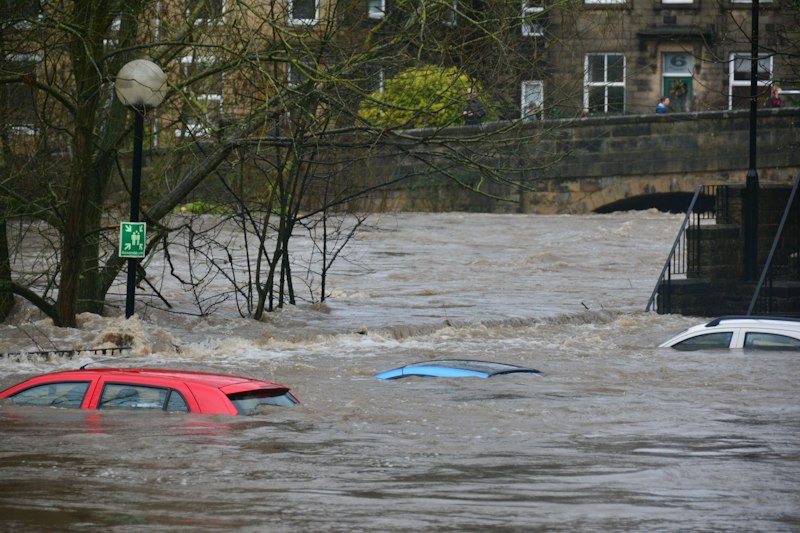
Floods and landslides triggered by ten days of continuous heavy rain have killed at least 99 people across Afghanistan and injured 154 others, according to the Taliban-led National Disaster Management Authority. The death toll rose from 77 on 4 April as storms continued in remote areas.
The downpours began on 26 March and have affected at least 25 of Afghanistan’s 34 provinces. At the peak of the disaster, 13 provinces experienced flooding, flash floods, or landslides within a single day.
Why it matters
Afghanistan is one of the world’s most climate-vulnerable countries and lacks basic early-warning systems and flood defences. International humanitarian funding for the country has declined sharply since the Taliban takeover in 2021.
The floods come ahead of the traditional spring melt season, when snowpack in the Hindu Kush mountains feeds rivers that are already swollen from the storms.
The damage
More than 5,000 homes have been completely or partially destroyed. The storms have washed away 355 kilometres of roads and inundated over 14,000 acres of agricultural land, threatening food supplies in a country where roughly half the population already faces acute hunger, according to the United Nations.
What happens next
Afghanistan’s meteorological department has issued fresh flood warnings for all 34 provinces, forecasting continued heavy rainfall in the coming days. Aid organisations operating in the country have appealed for emergency funding, but the scale of the disaster is straining already limited resources.