
What happened
Israel launched a renewed war against Hezbollah on 2 March after the 2024 ceasefire collapsed. Ground operations began on 16 March. By 1 April, Israeli forces reached the Litani River in the Marjayoun district.
Defence Minister Israel Katz announced a plan to establish a permanent security zone extending to the Litani River, covering approximately 8 to 15% of Lebanon’s territory. An estimated 600,000 residents who fled north are “completely prohibited south of the Litani.”
Why it matters: Preventing hundreds of thousands of people from returning to their homes while occupying a sovereign nation’s territory is a collective punishment of a civilian population. Over one million Lebanese, roughly 20% of the population, have been displaced.
The toll
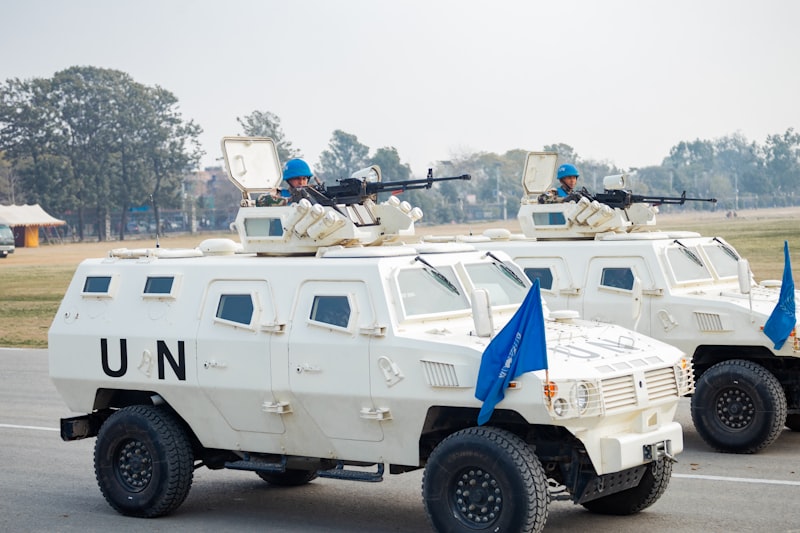
Over 1,422 Lebanese have been killed, including six Lebanese soldiers, three UN peacekeepers, and six paramedics. More than 4,294 have been injured. On the Israeli side, 12 soldiers and two civilians have been killed.
Key infrastructure has been destroyed, including the Qasmiyeh and Dallafa bridges, the main crossings over the Litani River. Finance Minister Bezalel Smotrich advocated for formal annexation of the zone.
International response
Ten European countries plus the EU jointly called for a ceasefire and respect for Lebanese territorial integrity. Canada, France, Germany, Italy, and the UK discouraged ground operations. Iran conditioned any ceasefire on cessation of hostilities in Lebanon.
The plan mirrors the South Lebanon Security Zone Israel maintained from 1985 to 2000. That occupation ended in withdrawal after sustained guerrilla resistance.
What happens next
Hezbollah has shown no intention of halting attacks. The humanitarian crisis is deepening with hospitals overwhelmed and aid access restricted. International calls for arms embargoes remain unheeded.